

The SOLIDWORKS 2026 and 3DEXPERIENCE Integration brings CAD design, product data management, engineering collaboration, and lifecycle governance into a more connected environment. As manufacturing organizations accelerate digital transformation, the ability to manage product information across departments is becoming increasingly important.
With SOLIDWORKS 2026, engineering teams can benefit from improved configuration management, structured product data, and closer collaboration through the 3DEXPERIENCE platform.
This article explores the integration capabilities, emerging technology trends for 2026–2027, and how organizations can strengthen product development using Product Release Engineer and Change Manager roles.
Why SOLIDWORKS 2026 and 3DEXPERIENCE Integration Matters
Traditional engineering environments often rely on disconnected systems for CAD design, document management, manufacturing information, and engineering changes.
These disconnected processes can create challenges such as:
- Multiple versions of engineering documents
- Difficulty identifying the latest approved design
- Inconsistent product attributes and BOM information
- Delays in engineering change approvals
- Limited collaboration between departments
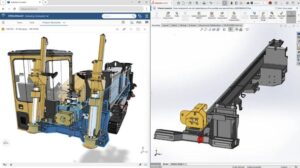
SOLIDWORKS and 3DEXPERIENCE integration helps address these challenges by connecting CAD data with product lifecycle management processes.
Instead of treating CAD files as isolated documents, organizations can manage product information within a structured, collaborative environment.
Key Capabilities of SOLIDWORKS 2026 with 3DEXPERIENCE
1. Improved Configuration and Physical Product Management
Configuration management is an important part of engineering design, particularly for organizations producing multiple product variants.
The 3DEXPERIENCE integration supports the mapping of SOLIDWORKS configurations to physical products and representations.
A physical product represents a distinct product definition, while a representation can describe an alternative state of the same product without requiring a separate part number.
With configuration-to-physical-product mapping, organizations can improve product identification, manage design variations, and maintain more consistent product structures.
This is especially valuable for manufacturers working with configurable equipment, machinery, and complex assemblies.
2. Better Attribute Mapping and Product Data Consistency
Accurate engineering information is essential for effective product lifecycle management.
The integration enables mapping between SOLIDWORKS file properties and corresponding 3DEXPERIENCE attributes.
Information such as part descriptions, material properties, and other engineering metadata can be managed using defined mapping rules.
3DEXPERIENCE attribute mapping helps organizations improve data consistency, reduce duplicate information, and establish standardized engineering practices.
For effective implementation, businesses should define property naming conventions, mandatory attributes, and validation rules before migrating large volumes of CAD data.
3. Structured Engineering BOM Management
The Engineering Bill of Materials (EBOM) plays a critical role in connecting product design with downstream engineering and manufacturing activities.
Through the 3DEXPERIENCE platform, organizations can manage product structures, revisions, and lifecycle information in a more controlled environment.
A structured EBOM helps engineering teams understand product relationships, identify approved components, and coordinate changes.
However, CAD-to-EBOM alignment depends on configuration mapping, product structure, and the roles and applications deployed.
Organizations should validate BOM behavior during implementation to ensure engineering information meets their business requirements.
4. Efficient Large Assembly Collaboration
Large assemblies can create challenges involving file loading, component dependencies, and engineering collaboration.
SOLIDWORKS provides assembly performance capabilities, while integration with the 3DEXPERIENCE platform supports structured access to managed product information.
Depending on the available applications and workflows, teams can work with relevant product structures and reduce unnecessary data handling.
For companies managing complex machinery or equipment, large assembly management should be supported by proper CAD structuring, assembly loading strategies, and clear data governance policies.
5. Browser-Based Engineering Collaboration
One of the major benefits of the 3DEXPERIENCE platform is its support for connected, browser-accessible collaboration.
Authorized stakeholders can use suitable platform applications to review product information, participate in discussions, and contribute to lifecycle processes.
This can reduce the need for every stakeholder to use a full desktop CAD installation.
Browser-based engineering collaboration is particularly useful for management, manufacturing teams, project coordinators, and suppliers who need access to engineering information without performing detailed CAD authoring.
Emerging Product Development Trends for 2026–2027
AI-Powered Design Assistance
Artificial intelligence is becoming an important technology in engineering and manufacturing.
Emerging AI-powered design assistance capabilities aim to help engineers automate repetitive tasks, improve productivity, and make more informed design decisions.
Potential applications include intelligent design recommendations, automated engineering documentation, and assistance with product information retrieval.
As these technologies evolve, organizations should evaluate their capabilities based on actual engineering requirements rather than assuming every AI feature is available across all products and licenses.
Unified Product Definition and Digital Continuity
A major objective of modern PLM implementation is establishing a consistent source of product information.
The 3DEXPERIENCE platform supports digital continuity by connecting product definitions, engineering information, lifecycle states, and related business processes.
With a unified product definition, organizations can reduce information fragmentation and improve traceability throughout product development.
This becomes especially valuable when multiple departments work with the same product across different lifecycle stages.
Real-Time Cross-Functional Collaboration
Modern product development requires coordination between design engineering, manufacturing, quality, procurement, and project management.
Connected collaboration environments help teams access relevant product information and participate in controlled engineering processes.
Collaborative product development can reduce communication gaps, improve change visibility, and support faster decision-making.
Effective collaboration still depends on clearly defined responsibilities, appropriate access permissions, and consistent approval procedures.
Increasing Adoption of Cloud and Browser-Based Workflows
Cloud-connected product development is changing how organizations access and manage engineering information.
Browser-based applications can support activities such as product reviews, issue tracking, task coordination, and engineering approvals.
This trend enables businesses to extend product collaboration beyond the traditional CAD department.
Desktop CAD applications remain important for detailed engineering design, while browser-based workflows provide additional flexibility for stakeholders across the organization.
How Product Release Engineer and Change Manager Work Together
Product lifecycle governance becomes more effective when engineering data management and change control are connected.
Two important ENOVIA roles within the 3DEXPERIENCE environment are Product Release Engineer and Change Manager.
Product Release Engineer: Managing Product Definition and Release
The Product Release Engineer role supports the management of engineering product information and lifecycle activities.
Depending on the configured applications and permissions, responsibilities can include:
- Managing engineering product structures
- Reviewing product information and relationships
- Supporting product maturity and release activities
- Maintaining consistency between engineering data and approved product definitions
- Improving product traceability
The objective is to establish a controlled and reliable engineering product definition.
Change Manager: Controlling Engineering Modifications
The Change Manager role supports formal engineering change management processes.
It helps organizations coordinate proposed changes, assigned responsibilities, assessments, and approvals.
Typical activities may include:
- Initiating and coordinating engineering changes
- Reviewing change impact and affected product information
- Assigning responsibilities to stakeholders
- Monitoring change progress
- Supporting controlled approval and implementation processes
Engineering change management is essential for organizations that require traceability, accountability, and controlled product revisions.
Building a Closed-Loop Product Development Process
When product release and change management processes are implemented together, organizations can establish a more structured engineering lifecycle.
A typical process may follow these stages:
- Engineers create and update CAD models in SOLIDWORKS.
- Product information is managed through the 3DEXPERIENCE platform.
- Engineering teams review the product structure and related information.
- Authorized stakeholders complete the configured release process.
- Required modifications are initiated through a formal change process.
- Updated product information is reviewed and released according to the organization’s governance rules.
This creates a foundation for closed-loop product development, where design modifications are traceable and controlled throughout the product lifecycle.
How to Prepare Your Organization for 3DEXPERIENCE Adoption
Successfully implementing connected engineering technologies requires more than deploying software.
Organizations should establish a clear adoption strategy focused on business processes, data quality, and employee readiness.
Establish Strong Data Governance
Define engineering naming conventions, revision schemes, product maturity states, and access permissions.
A well-designed governance framework helps ensure consistent information management across departments.
Improve Existing CAD Data Quality
Before migrating legacy SOLIDWORKS data, review duplicate files, broken references, missing properties, and inconsistent configurations.
Clean engineering data can significantly reduce migration complexity and downstream implementation issues.
Train Teams on 3DEXPERIENCE Roles
Provide role-specific training for design engineers, product release stakeholders, change coordinators, and management users.
Employees should understand both the applications and the business processes they are expected to follow.
Adopt a Phased Implementation Strategy
Organizations can begin with CAD data management and collaboration before introducing more advanced release, change, and project management workflows.
A phased 3DEXPERIENCE implementation allows teams to validate processes, build user confidence, and expand adoption progressively.
Conclusion: Building the Future of Connected Engineering
The SOLIDWORKS 2026 and 3DEXPERIENCE Integration represents an important opportunity for manufacturers seeking more connected, controlled, and collaborative product development.
By combining CAD design with structured product information, lifecycle governance, and cross-functional collaboration, organizations can establish a stronger foundation for digital engineering.
As AI technologies, cloud collaboration, and digital continuity continue to evolve, businesses that prioritize data quality, employee training, and well-defined processes will be better positioned to adapt.
The future of product development is connected, collaborative, and intelligent.
Take the Next Step with IDSPL
Looking to connect SOLIDWORKS design with structured product lifecycle management?
Ideas Design Solutions Pvt. Ltd. (IDSPL) helps organizations explore SOLIDWORKS, 3DEXPERIENCE, engineering data management, and collaborative product development solutions.
Visit www.idspl.com to explore solutions and connect with our team.
By Raghav Vaid | Ideas Design Solutions Pvt. Ltd. (IDSPL)